The Power of Community: How Strong Support Networks Increase Recovery Success
Recovering from drug or alcohol addiction is not a journey meant to be taken alone. While personal motivation and professional treatment are essential, research and real-world experience consistently show that community support is one of the strongest predictors of long-term recovery success. People who feel connected, supported, and understood have a significantly higher chance of maintaining sobriety compared to those who attempt to recover in isolation. A
In other words: community is not just helpful—it’s transformative.

Why Community Matters in Recovery
Addiction often thrives in isolation. Shame, secrecy, and disconnection can fuel the cycle, making it difficult for someone to reach out for help. Discovery Recovery aims to build a strong community to break that isolation by offering:
1. Support
Recovery is filled with highs and lows. A supportive group—friends, family, mentors, or peers in recovery—can provide encouragement during difficult moments and celebrate milestones along the way.
2. Accountability
When individuals feel responsible to a group, they’re more likely to stay committed to their recovery goals. Accountability partners, group meetings, and check-ins help keep progress on track.
3. Shared Experience
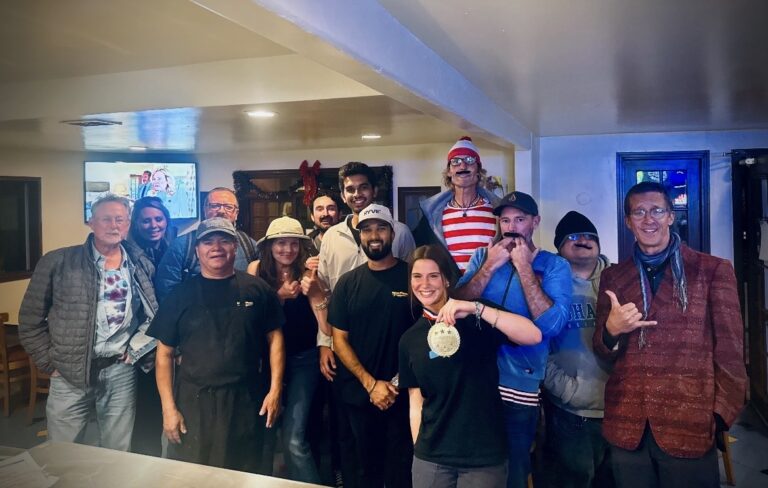
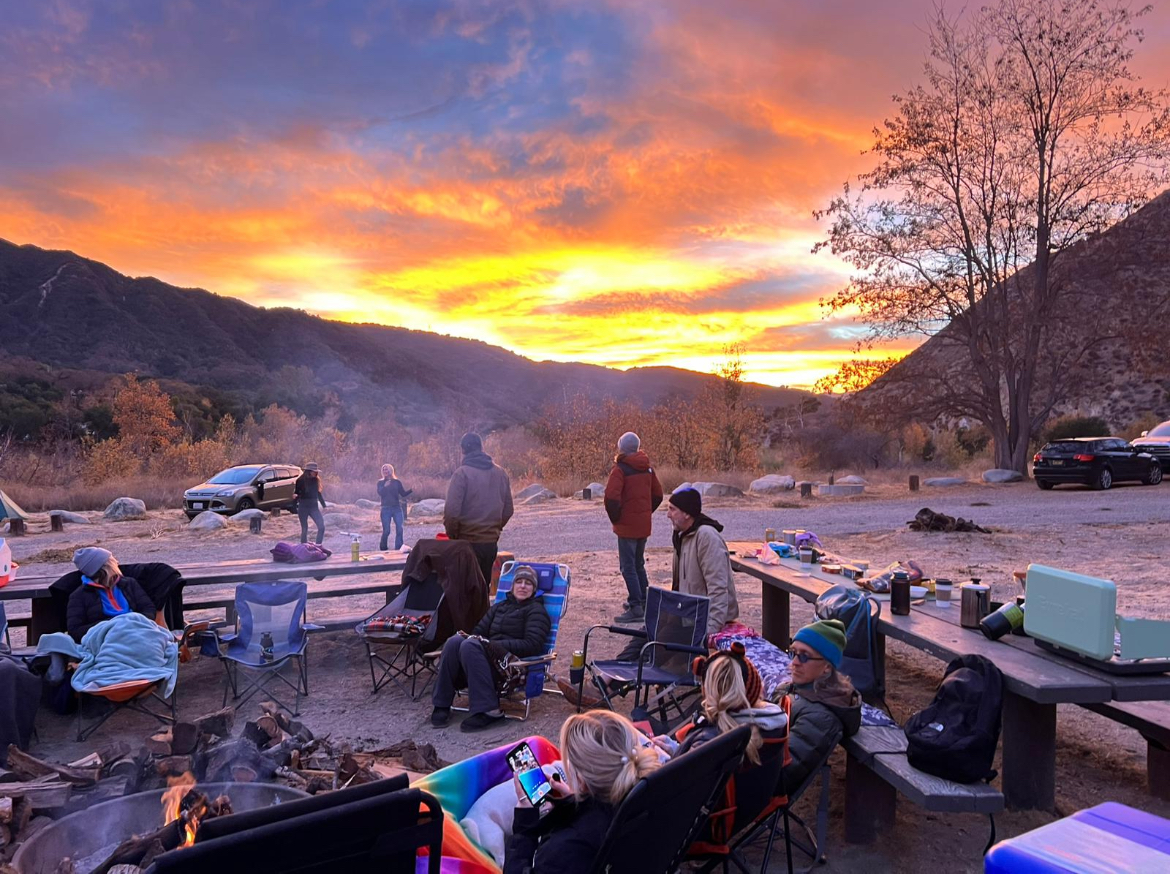
Connecting with others who understand the challenges of addiction reduces feelings of shame and reinforces the belief that recovery is achievable. Peer support is powerful because it is rooted in lived experience. We hold fun and engaging sober events once a month.
4. Structure and Routine
Communities create consistency. Whether it’s attending weekly meetings, engaging in group therapy, or participating in sober activities, this structure supports long-term behavioral change.
5. Reduced Risk of Relapse
People who feel supported are less likely to return to old environments or habits that trigger substance use. Many studies show a noticeable drop in relapse risk for individuals who maintain regular community involvement.
What the Research Shows About Success Rates
While specific success rates vary depending on the type of program and the individual, the overall trend is clear:
- Individuals who participate in mutual-help groups (such as 12-step programs or peer-support groups) have significantly higher long-term recovery rates.
- People with strong social support are more likely to maintain sobriety after treatment compared to those without a support network.
- Community-based recovery programs often help reduce relapse risk by up to 50% or more, depending on the study and population observed.
The exact numbers may differ across research studies, but the conclusion is consistent:
Community involvement dramatically improves recovery outcomes.
Types of Community Support That Make a Difference
Peer Support Groups
Organizations like AA, NA, SMART Recovery, and other community-based groups offer judgment-free spaces to connect with others on the same path.
Sober Living Communities
These environments provide structure, accountability, and fellowship—especially important in early recovery. Alstar Recovery is a Sober Living Environment in the Santa Barbara area that we highly recommend.
Family and Friends
When loved ones are educated and engaged in the recovery process, emotional connection strengthens resilience.
Faith-Based and Cultural Communities
Spiritual or cultural groups can offer meaning, belonging, and grounding during the recovery journey.
Online Support Networks
For those who can’t attend in-person meetings, digital communities provide 24/7 connection. Here is a link to online recovery support meetings: https://aa-intergroup.org/meetings/
Real Success Comes from Being Connected
Recovery is not just about abstaining from drugs or alcohol—it’s about building a new life filled with purpose, connection, and support. A strong community helps people rediscover their identity, rebuild confidence, and form healthy relationships.
Whether it’s sitting in a circle at a support meeting, talking with a mentor, or joining a sober activities group, each moment of connection strengthens the foundation of long-term sobriety.
The message is clear: People recover best together.
Link to TED talk on Connection being the opposite of Addiction: https://www.ted.com/talks/johann_hari_everything_you_think_you_know_about_addiction_is_wrong
Article by Jack Neenan